

As a parent, it’s not easy to do it all. Trying to juggle your career and home life, all while raising a young child (or several), can be understandably overwhelming. But don’t worry, that’s where daycares come to the rescue! They serve as a fun and safe space for your little one to grow developmentally, emotionally, and socially under the watchful eye of a caregiver. This gives you some time back in your day to take a break or get things done, so you can be more present when you’re reunited with the youngster.
But how many hours a week should you enroll your child in daycare? Too few hours leave you stuck handling all the responsibilities on your own, but too many hours can make you feel like you’re not spending enough quality time with your child. Let’s explore the recommended amount of time and how you can determine what’s right for you and your family.
How Many Hours Per Day Should My Child Be at Daycare?
According to the American Academy of Pediatrics (AAP), more than half of children under the age of 5 spend at least some time in daycare each week. While most daycares will allow children to be enrolled for a maximum of 12 hours a day, the AAP’s recommended amount of daycare hours is:
- Infants and toddlers (up to 15 months): two hours or less a day
- Toddlers (ages 16 to 24 months): four hours or less a day
- Older children (ages 3 to 5 years): four to five hours a day
Of course, this isn’t a hard and fast rule, and the actual amount you choose to enroll your child is entirely dependent on your lifestyle and the unique needs of your little one.
What Factors Should I Consider When Deciding How Often My Child is at Daycare?
1. Your Lifestyle
This decision isn’t just about your child! You have to think about the demands of your job, particularly as it relates to your schedule (and potentially your partners). For example, if you work a traditional 9-to-5, you’ll likely need childcare during those times. But, if you work remotely half the week, you may only want childcare on the days you’re in the office.
You don’t have to be working to enroll your child in daycare, either. If you’re a stay-at-home parent who wants a few hours a week to catch up on housework, run errands, or simply relax, that’s okay, too! Before enrolling your child, you should consider what works best with your desired lifestyle and availability.
2. Location of the Daycare

You’ll need to consider where your desired daycare is located, when you’ll be able to get there for drop-off and pick-up, and how close or far it is from your commute. If the only daycare you want to enroll your child at is located a long distance from home, you may only want your child there a few days a week. Meanwhile, if it’s located just down the street, it may be easier to have them at daycare more often.
3. Your Child’s Age
As we outlined above, your child’s age can play a big role in how many hours a week you should have them enrolled at daycare. Infants, for example, are still forming parental-child bonds, so it’s recommended that they’re away from one of their parents or relatives for only a few hours every day.
Toddlers may seem more independent, but at the end of the day, they’re still growing and need a lot of care and attention. Meanwhile, kids four years or older are more capable of being away from their parents. This is because they feel secure in their relationships with their family and are less anxious when away from them. They also tend to have better social skills, which allows them to form friendships at daycare that keep them emotionally fulfilled.
4. Your Child’s Temperament

Every child is different! Some children are braver and enjoy spending time with their peers, while others may be more shy and have a harder time being away from their mom or dad. Pay attention to your child’s temperament. Are they more easygoing? Then they may be able to handle longer periods of time at daycare. Are they anxious? Then less time each day may suit them better.
If you’re unsure, you can always try enrolling your child at daycare for short trial periods to monitor how they respond. It may help to arrange a meeting with their daycare teacher to hear how your child behaved, played, and interacted with others. Based on their comfort and happiness levels, you can then adjust their weekly durations.
5. The Quality of Care
At the end of the day, the quality of the daycare may be more important than the number of hours they spend there. A child spending only a few hours at a high-quality, highly-rated daycare is more likely to benefit than a child spending more hours at a lower-quality one.
A high-quality daycare will provide your child with a stimulating, educational, and nurturing environment that encourages them to have fun while still learning. When searching for a high-quality daycare, be on the lookout for ones with low child-to-staff ratios, trained staff, and a secure, child-proofed environment. Read online reviews, and don’t be afraid to ask other parents for recommendations.
6. Levels of Parent-Child Interactions

Research has shown time and time again that the levels of parent-child interactions can significantly affect how well a child performs in daycare. Parent-child interaction means how involved you are in your child’s life when they are home. Are you taking the time to talk with them about their day, read a book, play a few games, and provide emotional support?
If the answer is yes, then your child may be able to spend longer times at daycare. That’s because they’re able to create a secure attachment with you, their parent, which makes it easier for them to go to daycare, try new things, and forge positive bonds with their caregivers and peers.
Is It Okay if My Child Spends More Than the Recommended Hours in Daycare?
Unfortunately, there really is no right or wrong answer! How many hours you decide to enroll your child is an entirely personal decision, and you should never feel embarrassed or ashamed about the choices you make on behalf of your family. Most families have two working parents, and not everyone has the luxury of working from home or getting help from relatives.
In these instances, you may have to enroll your childcare in daycare more than the “recommended” hours, and that’s okay! The recommended hours are there to be exactly that: a recommendation, not a rule. If you want to enroll your child for fewer than the “recommended” hours, that’s okay, too. At the end of the day, it’s up to you.
Contact Cornerstone Academy for Daycare Services in Kenosha
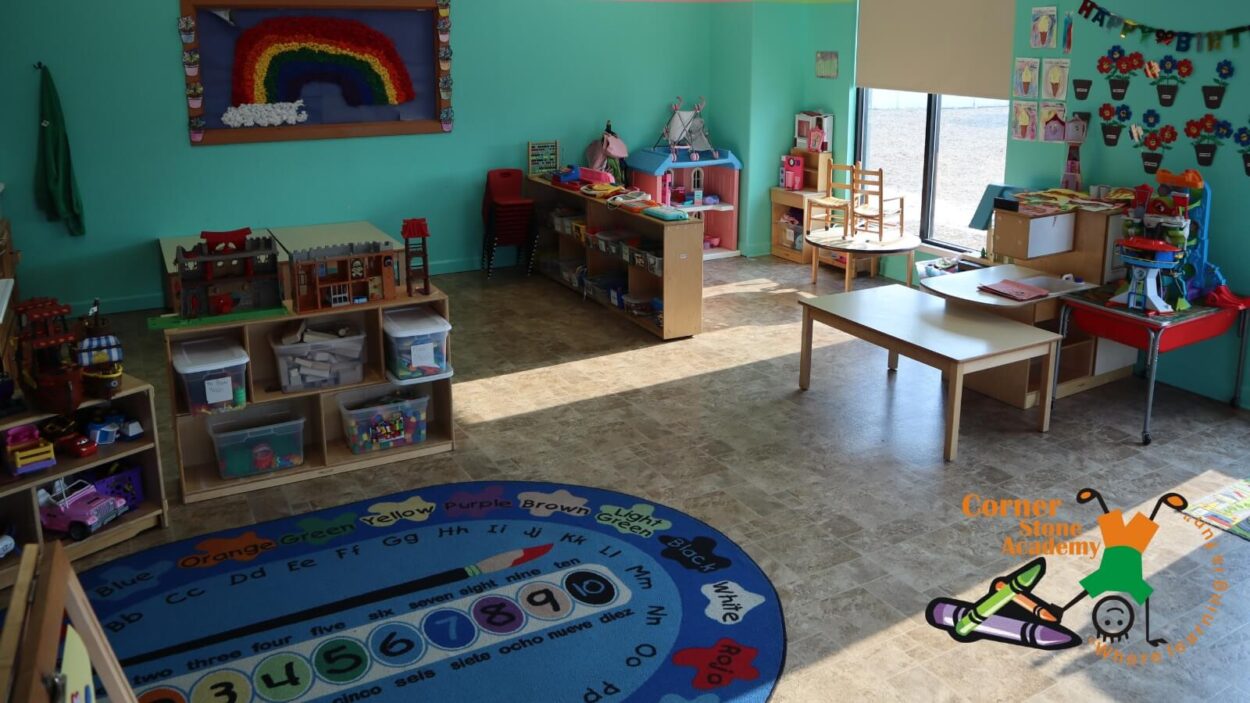
If you’re interested in enrolling your child at daycare, then contact us today! We’re happy to schedule a tour of our facility or answer any questions you may have. We offer both full-time and part-time enrollment options, and specialize in social and language development through art, movement, imagination, and (most importantly) play time!